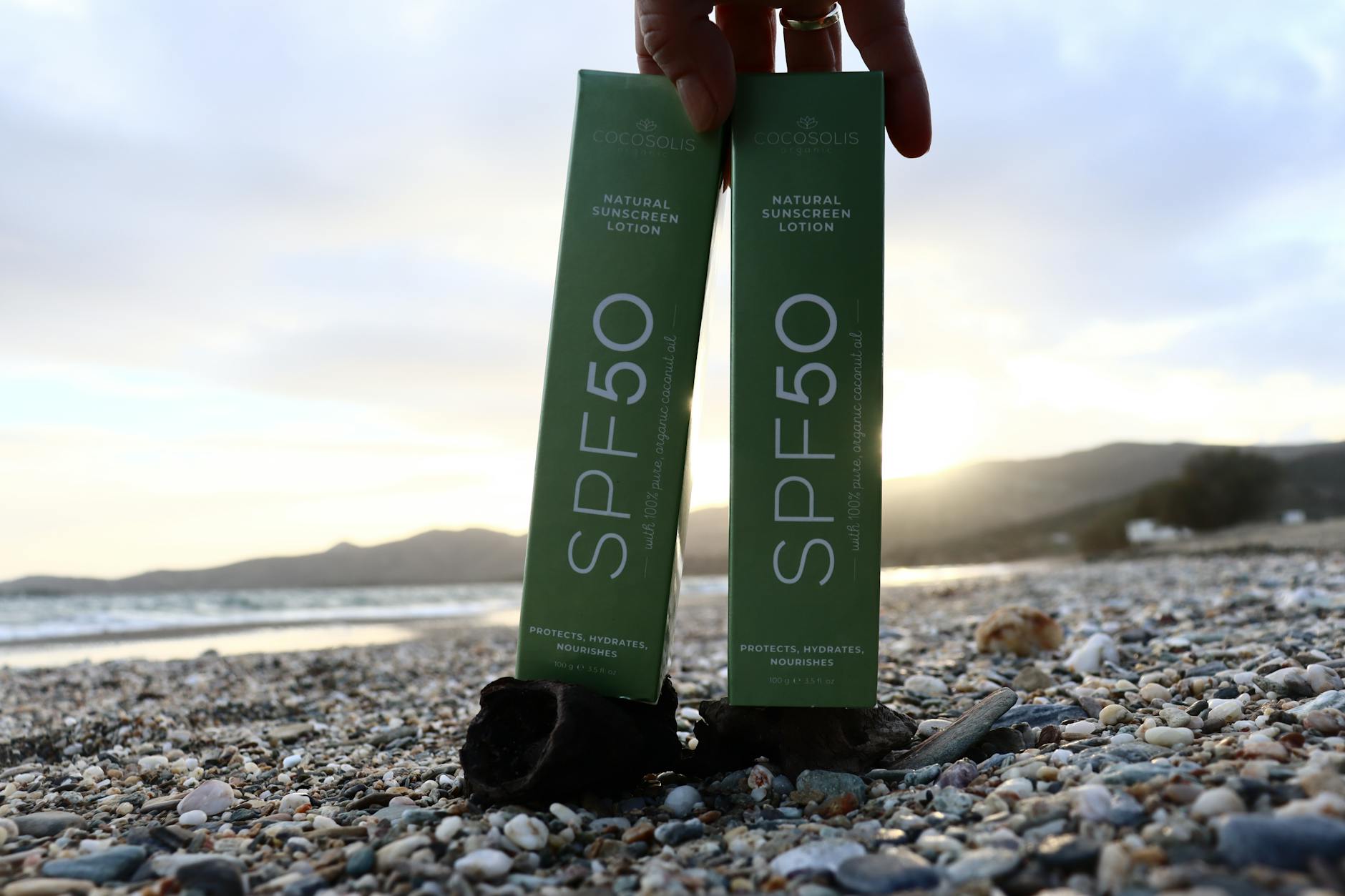
How to Choose the Best Eco-Friendly Sunscreen in Australia

Why Eco-Friendly Sunscreen?
As someone who spends time under the iconic Byron Bay Lighthouse or exploring the tranquil beaches of Wategos, I've realised the importance of choosing eco-friendly sunscreen to protect both my skin and the environment. Zinc sunscreen is a fantastic choice for those looking to minimise their impact on our beloved marine ecosystems. Traditional sunscreens often use chemicals like oxybenzone and octinoxate, which can harm coral reefs, disrupting marine life.
But it's not just about saving the reefs; eco-friendly sunscreens offer personal health benefits too. By using products without harmful chemicals, we're safeguarding our skin from potential irritants and allergens. Reliable options often include natural ingredients like zinc oxide and titanium dioxide, which provide broad-spectrum UVA and UVB protection.
Aligning with eco-tourism values, an eco-conscious business should inform and encourage clients to use reef-safe products that align with broader sustainability efforts. Switching to an eco-friendly sunscreen reflects our commitment to the preservation of natural wonders such as the lush landscapes of Cape Byron State Conservation Area. Offering field-tested eco-friendly options in our gear packages allows adventurers to experience the best of nature responsibly.
Choosing eco-friendly products ensures that outdoor activities in this stunning region leave minimal impact. Opt for reef-safe sunscreens as a meaningful step towards protecting breathtaking marine habitats and championing sustainability.
Key Ingredients to Look For
Understanding Zinc and Minerals
When it comes to choosing eco-friendly sunscreen, it's essential to focus on ingredients that prioritise both your skin and the environment around you. As an advocate for sustainability, I feel drawn to products that utilise minerals like zinc oxide. This naturally occurring compound forms a protective barrier on the skin, reflecting harmful UV rays without penetrating the skin barrier. Unlike chemical sunscreens, zinc doesn't harm marine ecosystems, a significant concern for those of us exploring the tranquil beaches of Wategos.
Recognizing Reef-Safe Labels
Reef-safe sunscreen is critical for preserving our oceans’ biodiversity, and these products are essential for eco-conscious explorers. When scanning the aisles, I search for products explicitly labelled as reef safe sunscreen. Such products are formulated without oxybenzone and octinoxate, chemicals harmful to coral reefs. Making this choice prevents further damage to marine life, aligning with our adventure-filled yet environmentally sensitive lifestyle.
Avoiding Harmful Chemicals
Sunscreens containing parabens, phthalates, and synthetic fragrances can pose risks to both personal and environmental well-being. Steering clear of these harmful chemicals not only protects our health but also supports the lush landscapes of the Cape Byron State Conservation Area. Whether hiking beneath the iconic Byron Bay Lighthouse or kayaking in azure waters, feeling good about your sunscreen choice enhances the adventure for both you and the planet. By focusing on natural, mineral-based ingredients, I empower myself and others to embrace responsible outdoor exploration.
Empower Your Eco-Friendly Journey
Embrace Natural Ingredients
As I stand near the iconic Byron Bay Lighthouse, with the ocean stretching infinitely ahead, it's clear that choosing sunscreens with natural ingredients is more than a mere preference—it's a way to protect what makes this region truly special. Harnessing the power of zinc in your sunscreen offers a mineral shield against harmful UV rays, without compromising on our marine life. Zinc does not dissolve in water the way chemical sunscreens do, making it less likely to impact coral reefs and the vibrant ecosystems around places like the lush landscapes of Cape Byron State Conservation Area.
Opt for Reef-Safe Formulas
Exploring the tranquil beaches of Wategos highlights the need for reef-safe sunscreen. This isn't just a passing trend; it's a commitment to preserving the intricate tapestry of underwater life. When a sunscreen is labelled reef-safe, it typically means it is devoid of oxybenzone and octinoxate—two chemicals known for their detrimental effects on coral reefs. Products free from these substances support our efforts to sustain the majestic beauty beneath the waves.
Stay Informed and Sustainably Mindful
Being an eco-conscious explorer means continuously learning and adapting. It's about making informed choices that align with the environment we cherish. As you gear up for your next outdoor adventure, remember to check for biodegradable packaging and consider your sunscreen’s impact not just on your skin, but on the very landscapes and seascapes you adore. By weaving these actions into your lifestyle, you're contributing to a movement that honours sustainability and ensures the natural treasures of Byron Bay remain vibrant for generations to come.